Encounters – a new speculative fiction anthology

Ever since Robinson found a stranger’s footprint on his solitary island, literature—and especially Science Fiction and Fantasy literature—has been fascinated by meeting the Other. In Encounters, the speculative fiction anthology by JayHenge Publishing, you can find out what happens when different species, populations, times—or even objects—meet.
I contribute to the collection with the short stories The Bridge and Laundry Room.

Get the collection here:
http://www.amazon.com/dp/1514329077/
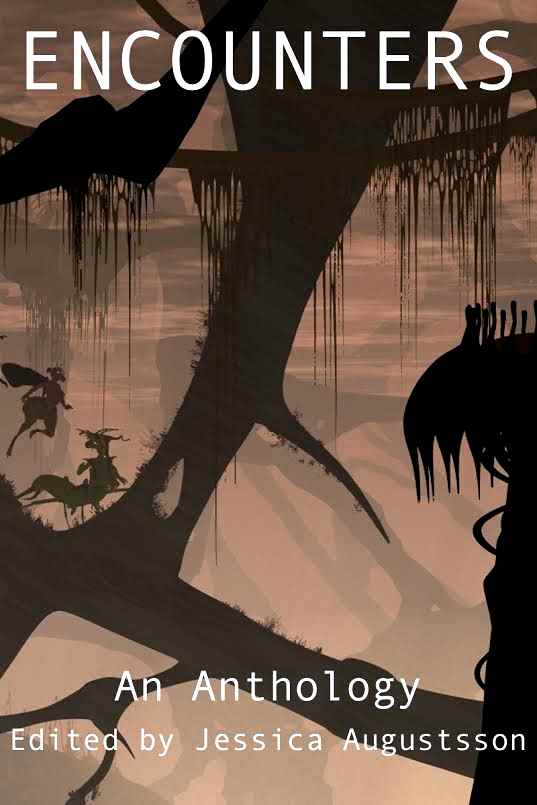
encounters short story collection boel bermann

Fantastisk Podd: avsnitt 36 – Karaktärsutveckling

Måste en karaktär utvecklas i en historia? Är det kanske beroende på format? Eller är det orealistiskt med karaktärsutveckling av den enkla orsak att folk inte utvecklas i verkligheten? Dessa och många andra frågor diskuterar vi i Fantastisk Podd. Kanske besvaras någon också… om man har tur. Denna gång är det Stockholmsgänget som samlas, bestående av: Oskar Källner, Erik Granström, Anders Björkelid och Boel Bermann. Dessutom har vi den stora äran att få ha en gäst ända från Malmö: Karin Tidbeck.

Lyssna på podcasten här!
Följ oss på facebook här.

katee-sackhoff-BSG-starbuck-500

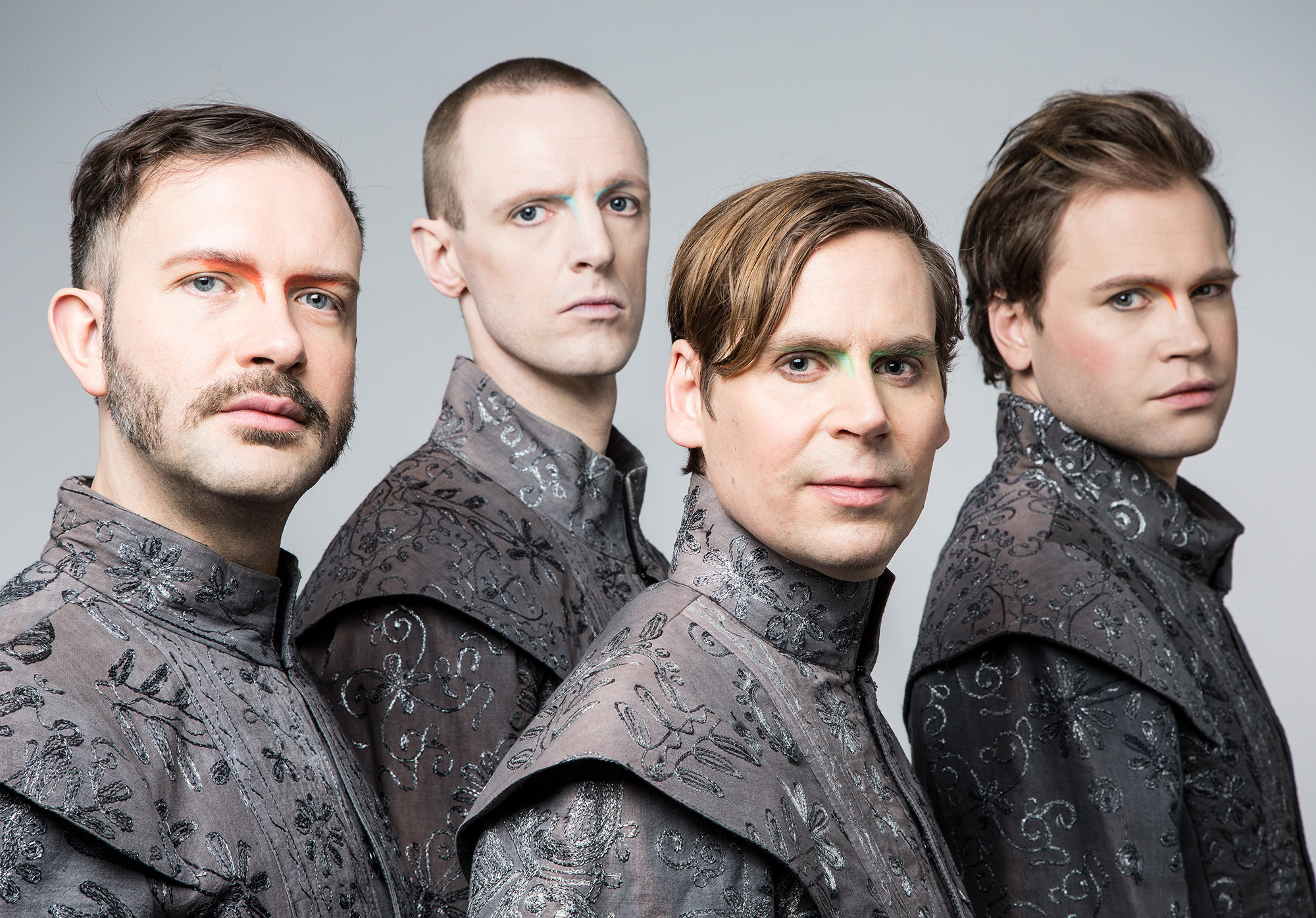
The Lilac Swords – fantasypop åt folket

Just nu lyssnar jag på The Lilac Swords, bombastisk fantasypop från Sverige.

Så här beskriver dem sig själva:
”We are The Lilac Swords, an electro-acoustic shimmering fantasy pop band. Come with us on a romantic and wonderous journey beyond every known border, from the Southern wastes of the Realm storm, through the dangerous city cauldron of the Undertow and to the Grey lands in the North. We will walk this land until our feet turn into leather soles and our eyes change their hue.”

11125412_489337574556179_2685558209520405405_o


Fantastisk Podd avsnitt 12 – De ska veta hut!

Hur strukturerar man en historia? Planerar man allt i förväg eller är det bara att sätta sig ner och köra? Stockholmsgänget bestående av Peter Bergting, Boel Bermann, Anders Björkelid, Erik Granström och Oskar Källner samlas åter och funderar på saker som: Är ingen process också en process? Kan man likna en berättelse vid ett pärlhalsband? Var får man tag på billiga whiteboards? Kan man koppla en skrivmasking till en iPad? Och vem är det egentligen som styr i slutändan, författaren eller karaktärerna?

Lyssna på Fantastisk Podd avsnitt 12 här:
http://fantastiskpodd.se/2014/07/fantastisk-podd-12-de-ska-veta-hut/

copy-cropped-poddhimmel1

Neil Gaiman – Tidbits of truth surrounded by lies

Neil Gaiman takes one dose fantasy, one dose reality, stirs it carefully while adding a pinch of darkness and a cup of adventure and the result is a delicious blend with the taste that anything is possible.

Tangled hair and curious eyes, the first impression of Neil Gaiman is that he just woke up from bed still thinking about a dream he had. He may be trying to remember whether the dream was about monsters from another dimension or a childhood memory – or both…
The first time I read Neverwhere, I remember the feeling I had much like Alice tumbling down the rabbit-hole. The feeling that there is a reality beyond what we see, that we need to lift our gaze and see the people around us. That we need to stop be so focused on ourselves and try to grasp the world.
– Neverwhere is about the people that fall outside or in between the cracks of a big city. I wanted to write about what happens when you stop existing, when you become invisible. I couldn’t write a book about homeless people, because if I had done that then only the kind of people that are already interested in homeless people would read it. And that would be good, but those people already care about the homeless. I wanted to reach further than that…
Since I read his novel Neverwhere as a teenager, I try to never pass homeless or beggars on the street without looking at them. Even when I don’t give anything, I try to acknowledge their existence, make eye contact, give them a smile or something to show them that they are part of our society. That I know that they are there and I want to help them. I don’t want the cracks to swallow them, I don’t want them to be invisible in my eyes.

Is there always room for storytelling? Neil Gaiman admits having had both doubts and frustration for being a writer, not feeling that he is doing enough nor that his writing was important.
– I have thought a lot about writing and if my writing is doing anything for the world. I mean, my work is to make things up. There are people at hospitals, rape centers, firefighters, refugee camps… And I make shit up.
But a story told by his relative Helena, a survivor from the Holocaust, made him think more about what his writing could do. In the Warsaw ghetto that was Nazi-controlled, books were forbidden. If you had a book, you would be killed. No trial, just a gun to your head, simply for having a book in your possession. And in this environment, Helena was a teacher. Somehow she got a hold of a copy of Gone with the wind. So she hid it in the wall behind a loose brick. At night, she’d cover all the windows and by candlelight read one chapter from the book. Then the next day, she would try and retell the chapter in the book for her students and acting it out in her own way.
– That retelling of Gone with the wind allowed her and her students to escape the ghetto. Novels are not escapism, they are the escape. A good book lets you escape and while you are in the story it will give you knowledge, armor, weapons and strength to go on. That story made me reconsider what I do and recognize the importance of what I do. Because that’s how important stories are to us.

The subjects is serious, but Neil Gaiman still views the world as a magical place filled with possibilities and chances to change the world for the better. I suddenly realize that Neil Gaiman strikes me as a genuinely good person, not only a good writer. A person that never seems to judge people for not having the strength to do good everyday, but always try to make us all do just a little bit better because he believes in all of us. He believes that if we all help out a tiny bit more, the world will be closer to the kind of world we really want to live in.
Neil Gaiman tells us a story. In a country just like ours, people like us were living in peace. They had food on their plates, they had families and houses. They went to work every morning and came back in the evening, tucking in their children in their beds and telling them a good night story. Then carefully closed the door, kissing their loved ones and retelling the events of the day they had andhow their boss doesn’t understand them.
Then a darkness came over the land and ripped it apart. Living became a nightmare. People would vanish without a trace. People were killed and no one knew why. The farmers could not farm, because they might get killed when being in the field working with the crops. There were no longer any stores open, because people had taken all the food in desperation and all the windows had been smashed. The people ran out of water, so they went to the swamp, took the mud and let it settle to be able to drink the little water that surfaced. And they knew this water would make them sick, but without any water they would die. Finally they had lost all hope that the country would ever become whole again.
So they packed what little they could carry, not more than a change of clothes. They took their children’s hands, left their home behind them and even so carefully locking the door, even when knowing they would never return.
And they embarked on a long journey, because they knew in their hearts that they had to flee in order to survive. Both the children and grownups passed dismembered corpses on the ground, people slaughtered in their search for somewhere they might be safe. The parents tried to make the children look away, tried to distract them so they wouldn’t see the dead bodies.
The children and the grownups walked through the desert without knowing if they would make it to the other side and the journey was hell itself. On the way, their shoes fell apart by the rocks that cut through. Still they kept walking barefoot, even when their feet were hurt and torn by the rocks, not knowing if this desert was where they would die or if there was help to be found on the other side. But they did find shelter. Life is still hard there in many ways and they have almost nothing to call their home or their own. But the people survived the journey, they are safe and no longer afraid. They work hard to transform the temporary shelter into a home and make it into a place to live. And they still dream of a better future.

This story does not take place once upon a time. This is not a fairytale in a country far away. This story is happening now, in our world and the people are living in a Syrian refugee camp. It’s a dark and grim story and Neil Gaiman wants us to change this story and give it a happy ending.
– When I went to the refugee camp, it was like getting my heart ripped out. I had thought about my own family and my relatives that survived the holocaust, but now I really grasped what it takes to get people to leave their homes that they have created. How far it has to go before you leave the life you have build for your loves ones.

Neil Gaiman met people that had fled to the Syrian refugee camp and asked them if they would tell him their story. What he found was insight in the fragility of civilization. The lives the refugees had were our lives before it all changed. The people were ordinary people like ourselves. Like you and me, they never thought they one day would have to leave everything in a fragile hope of surviving and not have to live in fear every waking hour.
– Their story are Hansel and Gretel, that is the world this story takes place in. Hansel and Gretel is from a time where people were starving, where they didn’t have enough food and how they tried to handle this. Syria was similar to our world, to our reality, before the war. I asked them what they had done before all this and their stories were our stories. I sold insurances, I had a shop, I sold cars, I worked in a factory. Before the war, they lived lower middle class, middle class and upper middle class lives in their society. They didn’t know how thin the ground they walked on could be, they didn’t know how easy their society could break. Their story is astonishingly forgotten. I thought I was really informed on what goes on in the world, but I wasn’t aware of how bad it was in Syria. Because it has been going on for so long, it’s not news anymore and no one reports from the conflict…

Neil Gaiman looks like a unusually normal person or a normal unusual person. Listening to him, I suddenly get the feeling that we must be friends. I have simply forgotten about it. He feels like a friend to every single person in the room. Our mind is trying to convince us that we are friends and Neil himself makes it so horribly easy to believe it by being relaxed and calm. He is who he his, no more and no less and it is perfectly enough. But when we reach the part where Neil Gaiman told us in the audience which writers were his close friends, I nearly fell out of my chair. Not the, oh I’m a bit surprised and say that I nearly fell out of the chair. Rather my entire body jerked to the level that – I actually fell out of the chair and was saved by my friend grabbing a hold of me.
– I don’t really belong to a movement or a group of writers. I have friends that are writers. Jonathan Carroll, Margaret Atwood, Michael Chabon. We agree on shit. We tell each other: Yes, this is how the world should be. Let’s make it happen.
Why the strong reaction from me when Neil Gaiman says the names of his writers friends? Because they includes my absolute favorite authors in the world besides Neil himself. I adore Margaret Atwood and her dystopian take on the future. I have reread Kavalier and Clay’s close to magical tale that mixes superheros with an opposition against the Nazis over and over again. Land of Laughs is a strange tale unlike any other and have always had a special place in my heart. I simply lost my breath when I realized how strongly I’d wish I could be the fly on the wall, listening to them talking an entire night. What these writers all have in common is that they are magnificent storytellers that always add a pinch of reality and make us readers look at the world in a new light.

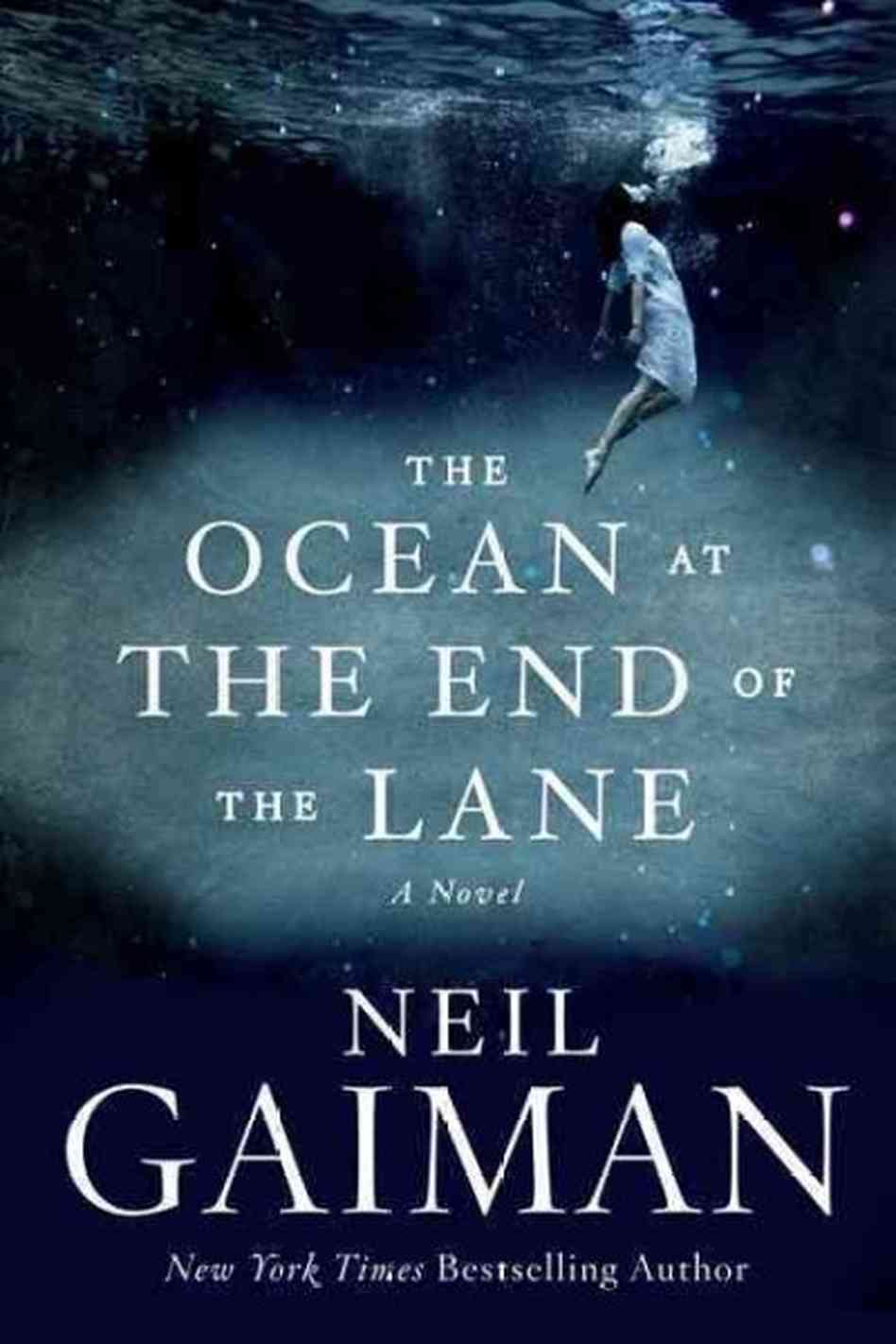
When Neil reads a scene from ”The ocean at the end of the lane”, he does different voices for the child’s thoughts, for the child when he speaks and for the dad that is confused and somewhere else in his mind. He reads it so vividly that we all can almost smell the burned toast. We hardly even see the writer himself when he reads. We barely notice the writer dressed in black jacket, black jeans, black t-shirt sitting in the dramatic setting with a large, red curtain up on the stage. Instead we all become children again, thinking of toast, of a glass of milk from a real cow and of how adults so rarely listened to us when we spoke, no matter how much we stressed the urgency.
– I read a lot of children literature as a small child and I realized that quite a few of these writers knew absolutely nothing about children. Putting me in context, I was a kid with a book. Weddings, birthdays, bar mitzvahs, you name it – I was always reading. My father would pat me down for books before we went on social occasions. But somehow I could always find a book, no matter where I went. And then I’d simply go below a table or sit behind a couch and read, wherever I could be alone with the novel. Some of these children’s books would give me the feeling that ”This book is about me, this person knows me.” The I’d read another book and feel that: ”Oh, this is very peculiar. It seems it is written by someone that can’t remember what it’s like being a child. And that really baffled me and made me think: Did grownups get an amnesia pill and forget everything? So I promised myself to never forget what it’s like being a child.

Neil Gaiman’s ability to capture both children’s and adults view of the world and the fact that none of us really grows up, we simply grow taller and start to pretend to fit into society is one of his trademarks. Grownups are not to be trusted, even when they try to do right. He captures the imagination and the analyzing gaze from children seeing through the thin layer of adulthood that the years drape us in, questioning why some people seem to think that it is so horribly important to cut your hair and get a job and how children view the grownups horribly peculiar behavior.
– It’s a terribly thing being a smart child. You see through the grownups and you go ”That’s bullshit.” The first time for me was in school and they had changed the rules regarding comics. So if you brought a comic to school and got caught, they would not just take it, they would tear up the comic in front of you. So I asked my teacher about why they had decided this. And he answered ”Because if you read comics, you wouldn’t read real literature.” And I said: ”But that’s not true. I have the largest comic collection of all the students and I’m the only student that had read the entire school library.”

When I went to the lecture with Neil Gaiman, I was afraid. I had such great expectations that I didn’t truly believe he could fulfill them. I honestly didn’t believe he could leave a greater impression on me than his novels had already done. It was a complete waste of perfectly good fear. I envy the people that has him as a teacher in his writing class. That little fact, that he has a writing class, make him seem so horribly humble. He seems to doubt his own ability to teach, but he wants to give something back. And he claims that he finds out more about himself during teaching. Because when students ask him questions, he needs to answer them. Then he carefully listens to his own answers, to learn more about what he himself really think of the matter.
– Being a teacher, I get to talk ideas, talk about fantastic literature and get people to write fantasy. I get to show how using fantasy can be used to shine light on other things that exist in our world. We live our lives inside our own heads. On some level, we may still believe that volcanoes explode because they are angry with us. And we spend at least half of our lives with dreams and imagination. In my writing, I’ll always use magic as much as I can to illuminate a metaphor. Because if I talk about the subject in absolute terms, you will either turn away or miss the point. All my writing is a mosaic picture with tidbits of truth surrounded by lies.

All of us listening wants to keep our distance, we don’t want to sit there with stars twinkling in our eyes. We want to listen to his writing process and give the impression that we are sensible, intelligent grownups that are by no way starstruck by his appearance. Why are we even trying?
To quote the head of the head of the international writers stage that tried to end the evening in a very correct and professional tone. How he handed over the gift and shook hands with Neil Gaiman, thanking him politely for coming to Stockholm. How I could see the man’s posture suddenly changing. How he was desperately trying to hold back his true reaction. How I could see him surrendering to the moment. Deciding not to resist the urge that each and every person in the entire room feels. How this correct middle-aged man suddenly throws his arms around Neil Gaiman and with a loud voice speaks the words: “My god, I love you.”

Written by Boel Bermann

Make a change – donate here:
http://donate.unhcr.org/neilandgeorgina

Read more:
Neil Gaiman’s webpage

’So many ways to die in Syria now’: Neil Gaiman visits a refugee camp in Jordan

Neil Gaiman shares his perspectives of Syrian refugees in Jordan – in pictures

Neil Gaiman 2

A small selection of Neil Gaiman’s writing:
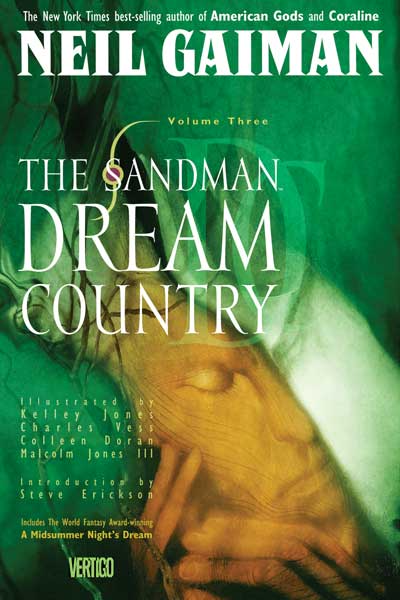
The Sandman
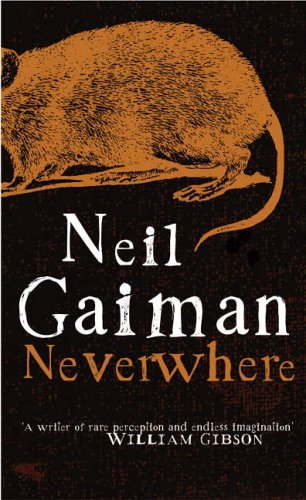
Neverwhere
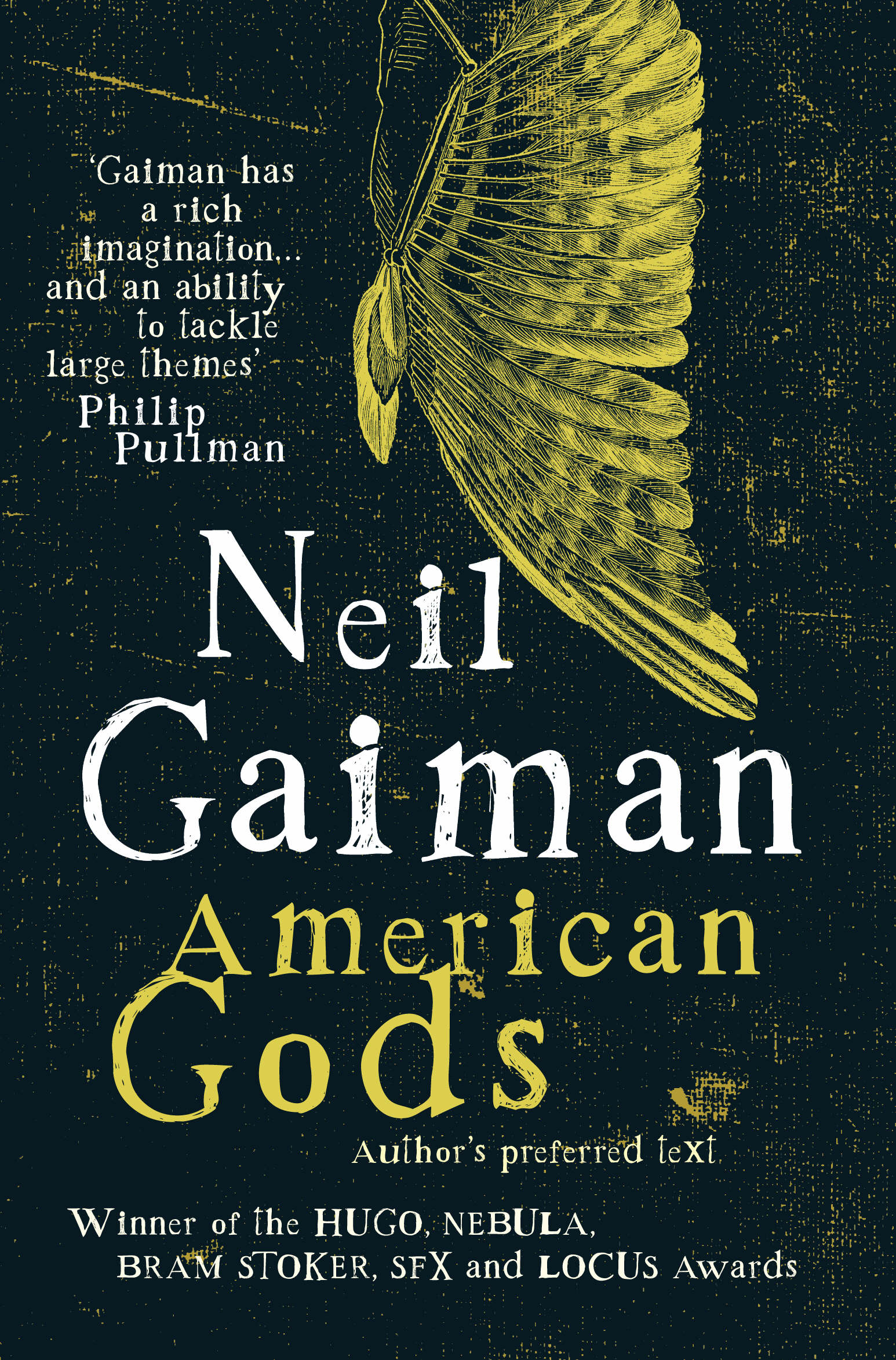
American Gods
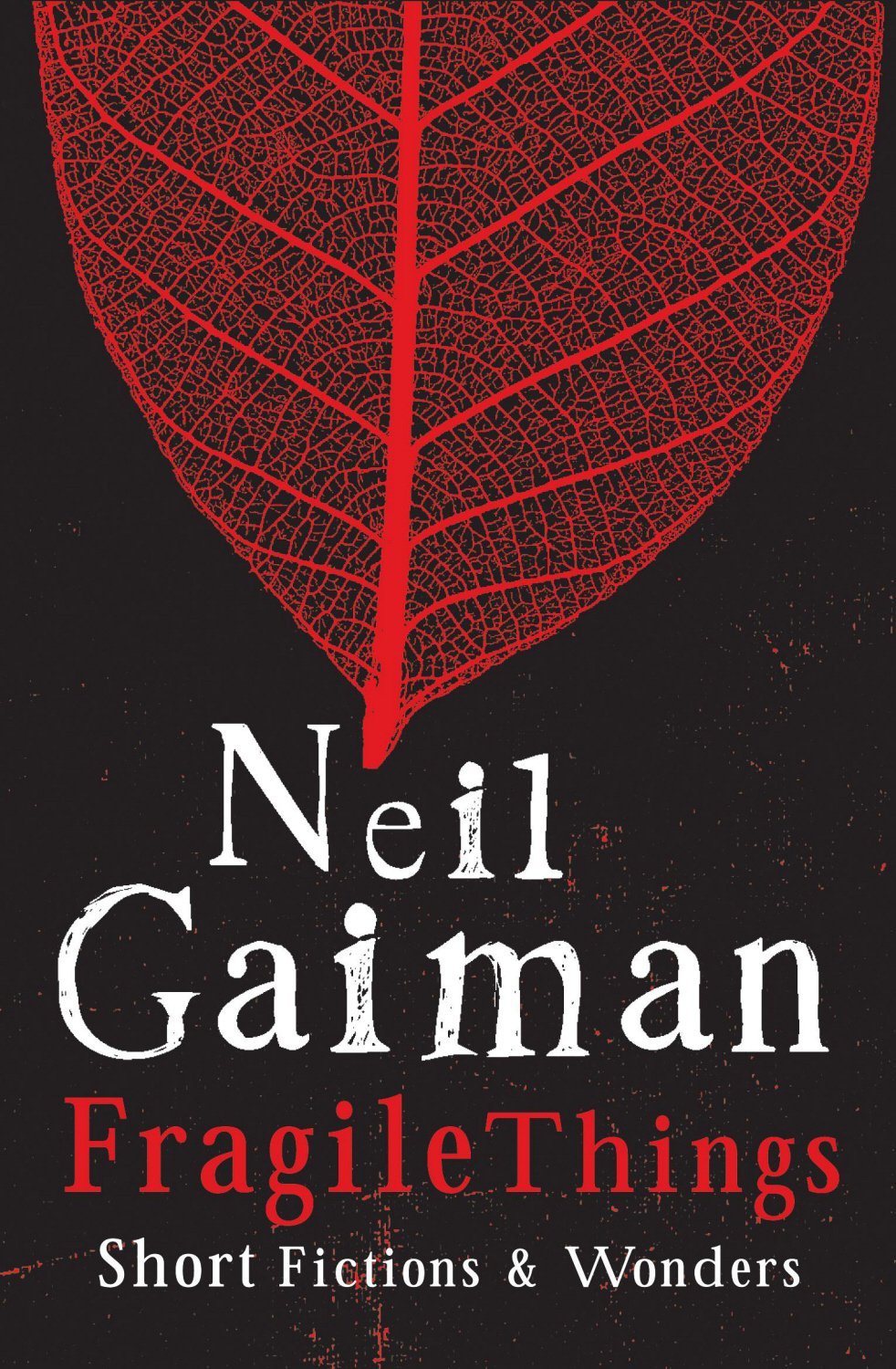
Fragile Things
Smoke & Mirrors
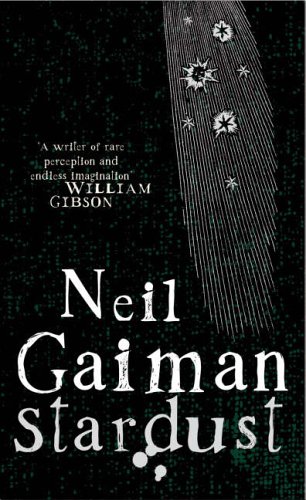
Stardust
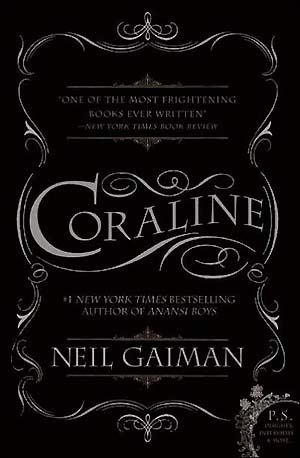
Coraline
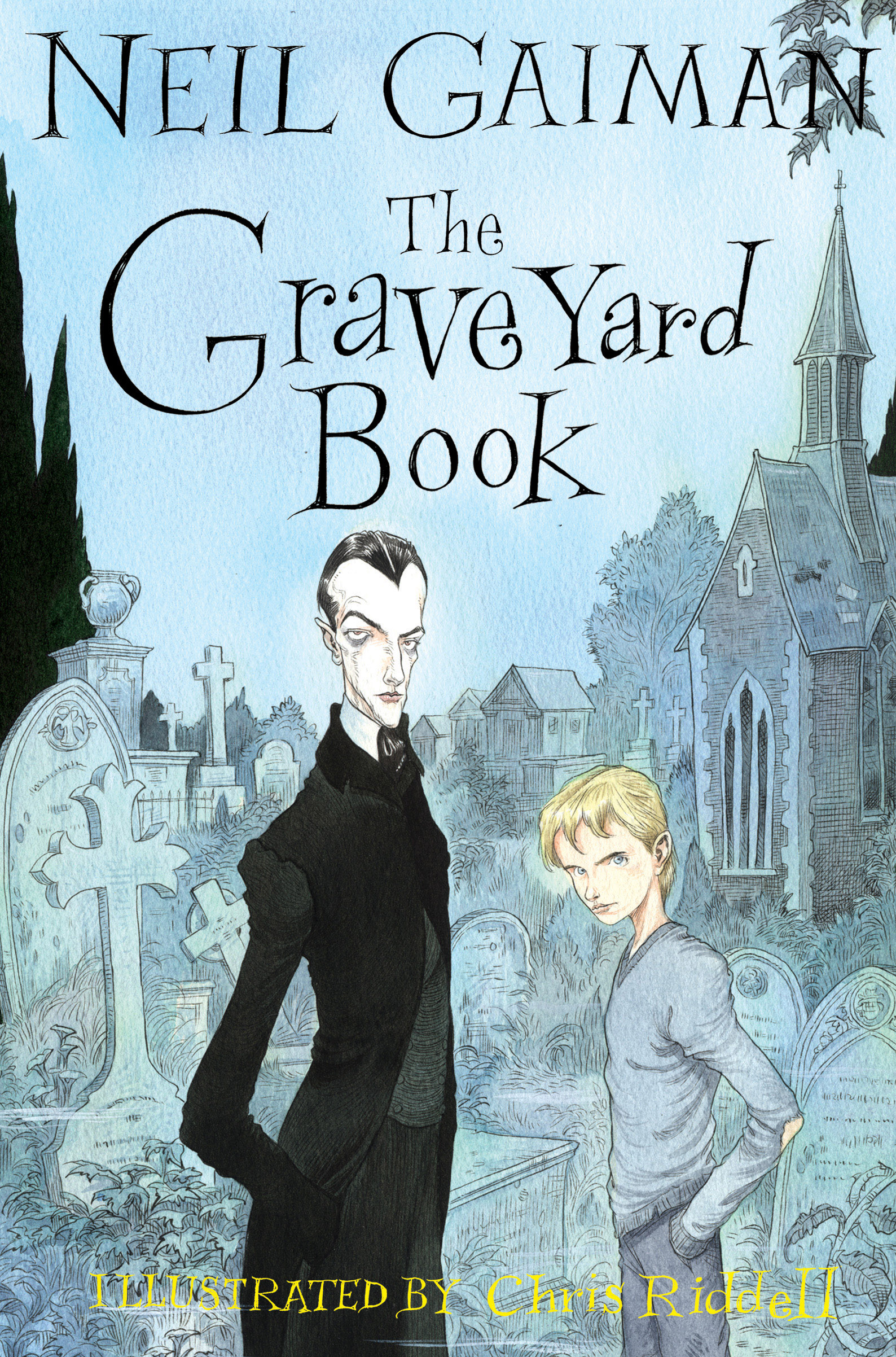
The Graveyard Book
The Ocean at the End of the Lane

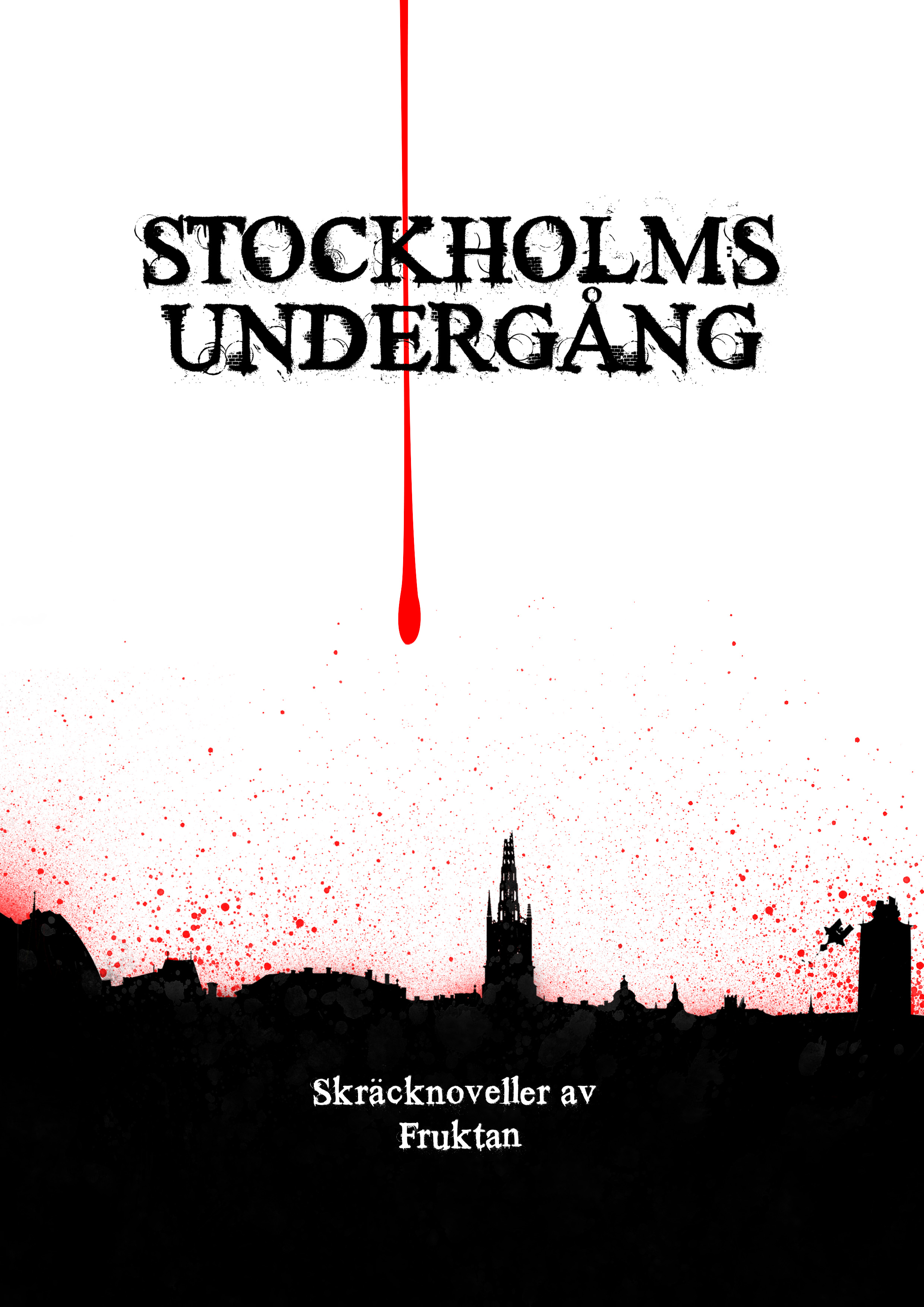
Stockholms undergång – Slutet är snart här. Gör dig redo.

Sömngångare demolerar Stockholm. Pesten bryter ut, monster samlar lik och skadedjur utrotas. Ett väderfenomen drabbar staden, demoner kommer till Kungens Kurva och en komet närmar sig Sergels Torg. Människor förfryser inifrån och Hötorgsskraporna faller som dominobrickor.
”Stockholms Undergång” är en samling skräcknoveller om hur staden möter sitt slut i nutid, dåtid och framtid. De tio fristående berättelserna tar plats i ett Stockholm som är obehagligt välbekant. I ett Stockholm där vardagen raseras. I ett Stockholm där vad som helst kan hända.

Förhandsboka novellsamlingen ”Stockholms Undergång” här:
Undrentide webbutik
Science Fiction Bokhandeln
Adlibris
Bokus

Om Fruktan:
Bakom novellantologin står mitt skrivarkollektiv Fruktan som tillsammans skriver SF, fantasy och skräck. Fruktan består av tio medlemmar som driver bloggen och podcasten Fruktan.se. Stockholms Undergång är kollektivets första gemensamma bok. 
De tio medlemmarna är, utöver mig själv: Andreas Rosell, Christian Enberg, Eira A Ekre, Erik Odeldahl, Fredrik Stennek, Jörgen Gavelin, Malin Gunnesson, Martin Gunnesson och Patrick Ogenstad.

I novellsamlingen medverkar även vår skräckmaestro, den hyllade skräckförfattaren Anders Fager, som står bakom böckerna ”Samlade Svenska Kulter” och ”Jag såg henne idag i receptionen”. Nu aktuell med romanen ”En man av stil och smak”,  2014.

Läs mer om Fruktan:
Hemsida: http://fruktan.se
Twitter: http://twitter.com/FruktanSe
Facebook: www.facebook.com/Fruktan

stockholms undergång av fruktan

Fantastisk Podd 04 – Stockholmsgänget samlar sig

Fantastisk Podd kommer till Stockholm, den kungliga huvudstaden (vars undergång vi ser fram mot. Men mer om det i avsnittet.) I etern samlas Peter Bergting, Boel Bermann, Anders Björkelid, Erik Granström och Oskar Källner för att upptäcka var de är (och var de inte är) någonstans i sitt skrivande.

Här finns glada tillrop, fantastikteoretiska utläggningar och en stilla undran kring huruvida man egentligen måste följa en deadline. Vi talar även om jordens undergång och om hur man skriver det intima istället för det episka. Hur man skriver icke germanska svordomar, och ändå får sin explosionsartade katharsis. Eller bara blir allmänt psykedelisk. Om det nu är det man är ute efter.

Lyssna på podcasten här: http://fantastiskpodd.se/?p=147

fantastiskpodd_boelbermann

Maskinblod 2: Garderoben

”En garderob. Ja, jag kom till din värld genom en garderob. Första veckorna tog er värld mig med storm, med all magi och alla trollkonster. Du förstår väl? Jag blev helt förförd. Av hur ni med bara en liten vridning med händerna och med ett kristallklart ljud skapar en festmåltid. Hur ni kan nå varandra över stora sträckor bara genom att låta ett horn ljuda. Hur ni kan förvandla natt till dag och färdas genom himlen och under jorden.
Men det är som att ni aldrig är närvarande, jag tror att ni låtit er uppslukas av er egen magi. ”

Smakprov ur novellen ”Garderoben” av Boel Bermann i novellantologin Maskinblod 2 som släpptes den 12:e mars 2014:
http://www.affront.se/garderoben-av-boel-bermann-novell-i-maskinblod-2/

IMG_3704


Novellutkast: All tid i världen

För mig är det poesi varje gång de breda persiennerna fälls ner och de sista glasen plockas bort från borden. Det är då kvällen börjar, när den slutar. Det är då allvaret kommer fram. Det är då hemligheterna hälls upp och avsmakas. Allt innan dess är förspel. Spel för folket. En ursäkt för att tillåta oss samlas här, på samma plats i offentligheten. Ett alibi för det som ska ske. Det vi gör här är bara för oss och ingen annan. Våra hemligheter.

Vi är inte många. Det finns inte så många av oss kvar. Vi höjer våra glas och säger att vi ska leva för evigt. Visar våra sanna ansikten, vår sanna storlek och vår sanna styrka. Mer i ande än i kropp, men vi vet. Vi är de som alltid funnits och alltid kommer att finnas. Vi säger det till varandra och vi tror på varje ord, trots att vårt antal har reducerats. Vi är essensen av vårt släkte. Kanske leder framtiden till undergången, men det talar vi aldrig om, inte ens i viskningar. Vi pratar inte om framtiden, vi pratar mer om minnet av fornstora dar då ärat vårt namn flög över jorden. En gång i tiden var vi giganter. Nu är vi mindre, vi har anpassat oss för att överleva, men inombords är vi ännu vilda och otämjda. Bara att vi möts här och höjer bägare är ett uppror. Alla tror att vi utplånades i Ragnarök. De tror att det inte finns någon plats för jättar i den nya världen. De tror att de förintat oss, fått oss att upphöra att existera.

De tror fel. Vi lever ännu. Inte många. Inte stora. Men envist biter vi oss fast vid tillvaron och anpassar oss. Vi tar marken, en bit i taget. Vi tar guldet, en bit i taget. Vi tar makten, en bit i taget. Vi är tålmodiga i vårt återerövrande av jorden. Den här krogen, högt belägen, är en skärva av Jotunheim. Vår sista utpost. De förbannade gudarna, vi dödar dem en och en i smyg, i skuggorna med list och försiktighet. Ragnarök är inte avgjort än, det är bara gudarna som intalat sig själva det, intalat sig själva att de vann. Tålamodet och lugnet som berget. Så länge vi tar fler än vad som föds. Så länge vi inte dör av utan frambringar fler. Vi har inget hot emot oss, vi som överlevde. För att de inte vet att vi finns.
Människorna är ingenting, lättlurade varelser. När gudarna väl är borta tar vi över allt och människorna kommer inte ens märka skillnaden. Det är det bara vi som kommer att göra. När vi tar berg och skyskrapor och vindsvåningar. När vi tar plats som makthavare, företagsledare och politiker. När vi tar våra platser som giganter. Och kräver världen som vår. När tiden är inne. Vi har all tid i världen att göra den till vår.

Inspiration från Gotland

Novell: Omstart

Ett lätt, fint regn av aska och svavel. Singlar ner som snöflingor från det gråa molnet som täcker himlen. Ljust damm lägger sig på min hud, täcker mitt hår, fastnar i mina ögonfransar. Jag skrattar. Sträcker ut handen och fångar in flagor i mina händer. Allt är täckt, inget har undflytt askan. Det är som att världen inte längre är en värld, som att den förvandlats till en skiss med blyertspenna på ett vitt papper. Att det kan vara så vackert med världens undergång. Med Guds plan. Tredje dagen. Askan täcker allt i drivor. Jag rättar till mitt munskydd.
Första dagen flydde folk. Med båtar, bilar, tåg och flygplan. Till en annan plats, en säker plats medan askmolnet täckte världen och glaciärerna smälte av lavan. Tills flygplanen inte förmådde flyga när deras motorer sög åt sig Guds damm av finfördelat vulkaniskt glas och fick planen att falla som stenar ur himlen. Dras till marken av jordens gravitation och splittras till mer damm. Båtarna slutade färdas för att haven började koka, de sjuder och fräser och värmer upp hela atmosfären av Guds hetta. Bilarna krockade i dimman av damm och blockerade vägarna. Folk övergav dem och gick i panik till fots i förhoppningen att hitta en trygg plats bortom Guds plan.
Andra dagen började bryta ut överallt. Över hela jorden. Det var då vi människor insåg att det inte fanns någonstans att fly.
Tredje dagen insåg vi att det som vi står inför är slutet på världen och mänskligheten.

Nu är vi inte rädda längre. Jag var rädd, vi var alla skräckslagna och vilse. Tills Guds ängel kom ner från himlen och talade till oss i en global vision. Talade direkt till varje människa med samma ord och samma röst. Ängeln talade till mig. Han sa att jag skulle dö, men att jag inte hade något att frukta. Att Gud defragmenterade världen. Att Gud scannade för potentiella hot. Att Gud hade funnit virus. Gud behöver ominstallera och byta operativsystem. Starta om.
Ängeln sa att vi alla kommer att återvända och att vi kommer vara starkare, vackrare och effektivare. Det enda som kommer att försvinna är virus. Epidemier, krig, våld och orättvisor. Trojaner och maskar. Saker som inte var en del av Guds plan, saker som inte skulle finnas i mänskligheten. De behövde tas bort, isoleras, raderas. Ängeln sa till mig att jag inte behövde vara rädd. Gud har tagit en backup. Allt kommer att ordna sig. Därför är jag inte rädd längre. Därför står jag här och skrattar mitt i mänsklighetens undergång och fångar askflagor i mina handflator.

IMG_3659